Traders Price Zero Fed Rate Cuts in 2026 as New Fed Boss Kevin Warsh Inherits 3.8% Inflation – Bitcoin News
Key Takeaways
- Markets now price the Fed holding rates at 3.50%-3.75% through 2026, ending earlier bets on cuts.
- Kalshi and Polymarket traders have placed over $42M combined on no rate change at the June 17 Fed meeting.
- New Fed Chair Kevin Warsh’s hawkish stance on inflation and balance sheet keeps borrowing costs elevated.
Markets Price Out Every Rate Cut for 2026
The Fed’s target range sits at 3.50% to 3.75% after three 25-basis-point cuts in late 2025. Since then, the central bank has held at every 2026 meeting, citing uncertainty across inflation and employment data. The March dot plot showed the median official still projected one cut by year-end, but dispersion widened, with more members penciling in no movement at all.
The April meeting drew the highest level of dissent since 1992, according to some reports, pointing to a divided committee with a hawkish lean. Markets took notice. Short-term Treasury yields climbed as rate-cut pricing was removed from the front end of the curve. The two-year yield moved higher while the ten-year recently held near 4.3%, reflecting a higher-for-longer environment that is now the prevailing assumption across Wall Street.
Prediction markets are pricing the same outcome with near-total conviction. On Kalshi, the contract for the Fed maintaining its current rate at the June 17 meeting is trading at 96% probability, priced at 97 cents on the dollar for a Yes position. A 25-basis-point cut sits at just 3% and a hike at 2%. That contract has drawn $8,380,429 in total volume since opening in late September 2025 and is scheduled to close just before the official announcement. Related Kalshi sub-markets show a 99% probability that the Fed funds rate stays above 3.25% and a 98% probability it holds above 3.50% following the June session.
Polymarket tells the same story at greater scale. The Fed decision market on that platform has generated $34,512,550 in total trading volume. The no-change outcome for the upper bound of the target range trades at 98%, backed by $6,123,664 in direct volume on that leg alone. A 25-basis-point decrease sits at 1%, a 50-basis-point or larger decrease at 1%, a 25-basis-point increase at 1%, and a 50-basis-point or larger increase at under 1%. Across all outcomes, traders have deployed over $34 million expressing near-unanimous confidence that the Fed will do nothing on June 17.
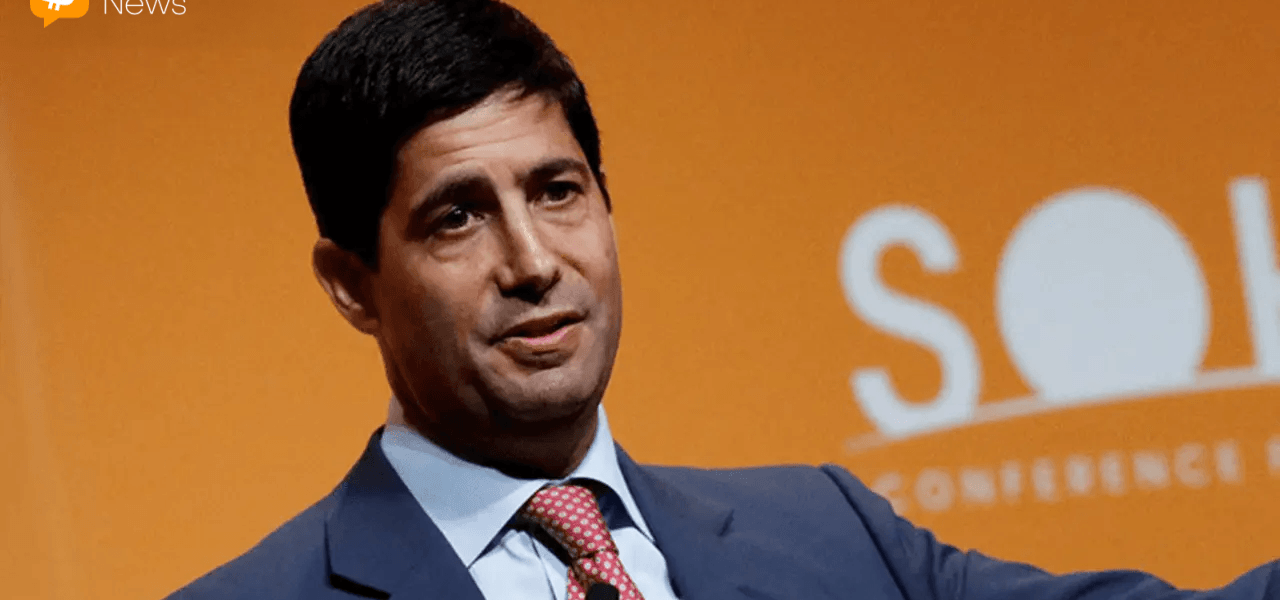
Kevin Warsh will be sworn in as Federal Reserve Chair on May 22, 2026, at a White House ceremony hosted by President Trump. Warsh served as a Fed Governor from 2006 to 2011, a period during which he built a reputation for prioritizing inflation control and warning against extended easy policy. He has since shown more openness to cuts, citing artificial intelligence (AI)-driven productivity gains as a potential path to lower rates without reigniting price pressures, but analysts widely describe him as hawkish on structure and cautious on timing.
Warsh has also advocated for a faster reduction of the Fed’s balance sheet, which stands near $6.5 trillion to $6.7 trillion. Shrinking those holdings is central to what he calls a “regime change” at the Fed, one that pulls back the institution’s footprint and reduces market distortions built up over years of quantitative easing. He has also signaled a preference for fewer public statements from Federal Open Market Committee (FOMC) members and less reliance on the dot plot for forward guidance.
Three factors are driving the shift in rate expectations. The Middle East conflict tied to Iran pushed oil prices higher, raising near-term inflation risks. Core PCE and CPI readings remain elevated, with April CPI at approximately 3.8% year-over-year. And the labor market, while softening, has not deteriorated enough to justify easing, with unemployment near 4.3% to 4.4% and private sector job creation close to flat.
JPMorgan now projects zero cuts in 2026. Other brokerages have pushed their easing timelines into 2027. Some scenarios in futures markets include modest hike risk in 2027, a level of pricing that would have been dismissed earlier this year. The repricing has spread across asset classes. Equity markets faced pressure from higher discount rates, with growth stocks and cyclicals absorbing more of the impact.
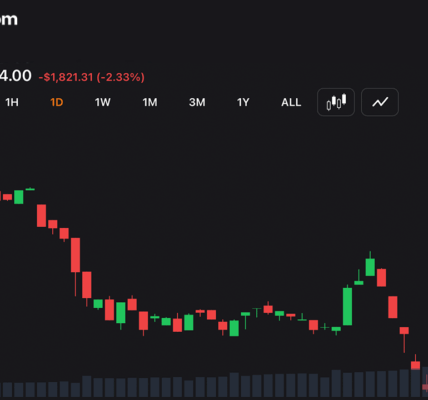
Fixed-income investors sitting in long-duration positions saw prices fall as yields climbed, though new issues now offer more competitive income. The U.S. dollar gained support from the rate differential, creating headwinds for emerging markets. Bitcoin and other crypto assets dipped on reduced cut expectations, as higher opportunity costs and a stronger dollar weigh on risk-on positions.
President Trump has repeatedly called for rate cuts in 2026, arguing that lower borrowing costs would support factories, auto plants, and real estate investment. He nominated Warsh, expecting alignment on easing, and has said he would be disappointed if cuts do not arrive quickly. Warsh addressed the tension directly during his Senate confirmation hearing in April 2026.
During his testimony, he said that Trump never once asked him to commit to any particular interest rate decision and that he would not have agreed to do so. His narrow 54-to-45 confirmation reflected Democratic concerns about political proximity to the White House. Jerome Powell, whose term as chair ended in May 2026, remains on the Fed as a governor. His continued presence adds a layer of institutional continuity alongside whatever direction Warsh sets.
The June 17 FOMC meeting will be closely watched as Warsh’s first opportunity to signal his policy posture through updated projections and post-meeting communication, with over $42 million in prediction market capital already positioned for no change. The base case, as conditions stand, is a prolonged hold unless labor data weakens materially or energy prices ease. Investors are adjusting accordingly, favoring short-duration income strategies, cash, and selective real assets over rate-sensitive positions.