
Toledo, Ohio Resident Wins Two Scratch-off Jackpots in a Single Day, Nets $384,562 After Taxes
Key Takeaways
- On July 27, 2026, an Ohio Lottery player spent $100 on two Millionaire Blowout tickets to win dual prizes.
- Modern paper lotteries like Ohio’s run 26.75% tax automation and risk engines akin to Big Tech fintech.
- The winner will allocate $384,562 toward Toledo local auto dealers, extended travel, and savings in 2026.
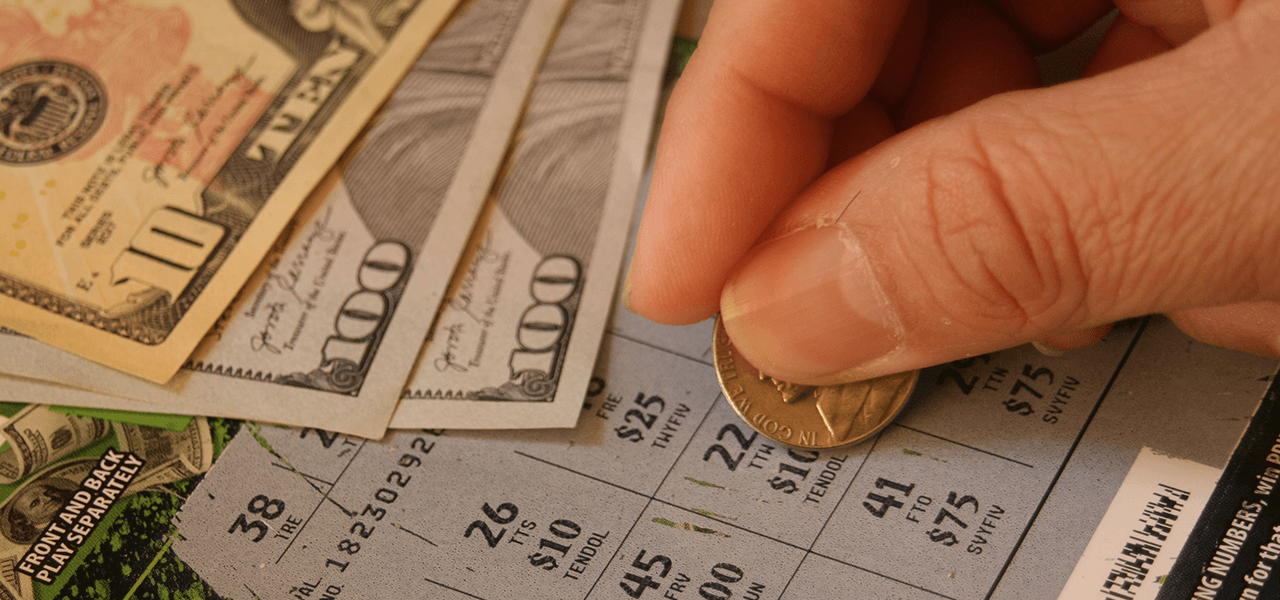
On 7/27, a Toledo lottery player bought into Ohio’s new “Millionaire Blowout” scratch-off and watched the day get expensive in the best possible way. The first ticket hit for $1 million, but the winner chose the $500,000 lump sum, which came out to $366,250 after 26.75% in state and federal taxes. Then came a second ticket, and another $18,312.50 after taxes. The plan now is straightforward: stretch out vacations, pick up a new vehicle, spoil the kids, and park the rest in the bank.
Lightning strikes twice, and a state system notices
You and I spend a lot of time talking about AI labs, chip roadmaps, and Big Tech earnings calls. But sometimes the most revealing tech-business story hides in plain sight, right at a convenience-store counter. On July 27, 2026, an Ohio resident in Toledo bought 2 scratch-off tickets and walked away with a pair of wins that added up to a small fortune, per the Ohio Lottery.
The tickets were for “Millionaire Blowout”, a new scratcher with prizes ranging from $75 up to $1 million. The buyer spent $100 total, according to the state’s disclosure, and ended the day with a payout headline that would grab anyone’s attention.
The payout math, and what it says about modern money rails
The first ticket hit the top prize: $1 million, structured as $40,000 a year for 25 years. The winner chose the lump sum option of $500,000, and after combined federal and state withholding of 26.75%, the net was $366,250 deposited, per the lottery statement.
Then came the second ticket. After taxes, it added $18,312.50, bringing the total post-tax haul to roughly $384,562.50. That “deposited” detail is the tell: even old-school scratchers now land in a banking workflow that looks a lot like any other regulated payout, with identity checks, tax reporting, and audit trails that states depend on.
The quiet tech stack behind a “paper” game
Scratch-offs feel analog, but the business runs on retail technology. The moment a ticket is sold, state systems reconcile inventory, validate pack numbers, and flag anomalies. When a claim comes in, the lottery is effectively running a risk engine: verifying the ticket, confirming it was activated at the register, and matching the claimant to compliance requirements.
Why does that matter? Because lotteries sit at a crossroads of cash, fraud prevention, and consumer payments. They have to manage chargebacks and theft risks at the store level, keep retailers honest on commissions, and maintain public trust, all while processing high-volume microtransactions that look a lot like fintech, just with different branding.
Turning luck into a plan, and a local economy gets a bump
The winner told officials he plans to extend a vacation, buy a new vehicle, treat his kids, and save the rest. It is personal finance in its most sudden form, and it’s also local commerce: a big claim sends money through banks, auto dealers, and taxable purchases.
The retailer benefits too, often through a bonus set by state rules, and the store becomes a tiny billboard for the product. For the tech-business reader, the real takeaway is simpler: even a scratch-off win is now a data-rich, compliance-heavy transaction. Who would have guessed the most dramatic “fintech deposit” of the week might start with a coin and a cardboard ticket?