Key Takeaways
- The EU and 8 nations signed a Warsaw Convention protocol to combat crypto-funded crime and terrorism.
- The agreement enables instant asset freezes and expands financial units’ power to halt suspicious transactions.
- Recovered funds over €10,000 will be split among involved nations, with provisions for public interest reuse.
EU Signs Warsaw Convention Crypto Modernization Additional Protocol
The European Union and a group of other countries are stepping up their regulatory frameworks to deal with the rising adoption of cryptocurrency assets for illicit purposes and to finance terrorist activities.
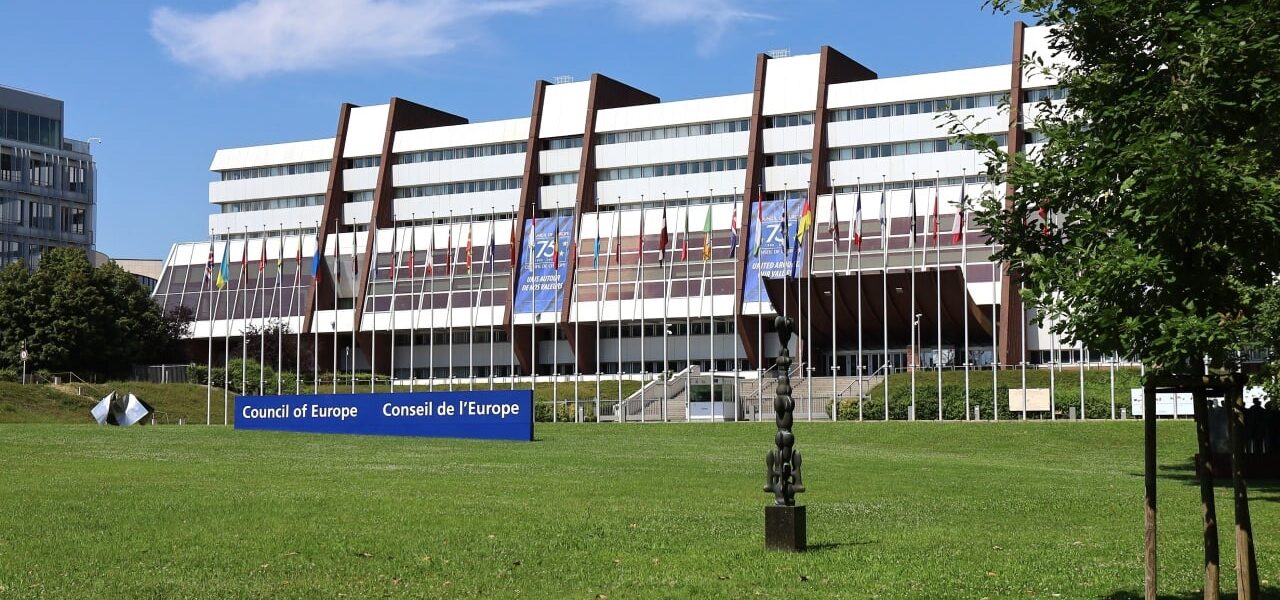
On Wednesday, the EU and 8 allied nations, including Georgia, Greece, Hungary, Luxembourg, Monaco, Montenegro, San Marino, and the United Kingdom, were the first subscribers to the Additional Protocol to the Council of Europe Convention on laundering, search, seizure, and confiscation of the proceeds from crime and on the financing of terrorism, commonly referred to as the “Warsaw Convention.”
“Criminal money sustains organised crime. It also buys what should never be for sale: our democracies. Taking that money away is democratic security. No state can recover criminal assets across borders on its own. With this Protocol, none will have to,” said the Secretary General of the Council of Europe, Alain Berset, highlighting the increased cooperation that will derive from this new protocol.
The protocol defines new measures to deal with the recovery and management of crypto assets involved in criminal or illicit actions, defining virtual assets and virtual asset service providers (VASPs) within its scope.
For example, it allows urgent confiscation of virtual assets without prior notice when there is a transaction risk, expanding prior confiscation capabilities. It also prompts signatories to build specific infrastructure to confiscate (Asset Recovery Offices) and hold (Asset Management Offices) the digital assets involved in illicit activities.
The role of national Financial Intelligence Units (FIUs) is also expanded, giving them the ability to suspend crypto transactions if they suspect they are linked to money laundering purposes.
Affected parties will have priority in reclaiming confiscated assets under the protocol, and sums of over 10,000 euros will be equally distributed across the countries involved in the retrieval operations. The protocol also prompts signatory states to take legislative action to allow the use of confiscated crypto assets for “purposes of social reuse, in the public interest or for other specific aims.”
Council of Europe member states adopted these new provisions in May 2026 as the bloc seeks to strengthen the EU’s fiscal and criminal toolset to bring crypto assets under effective oversight.