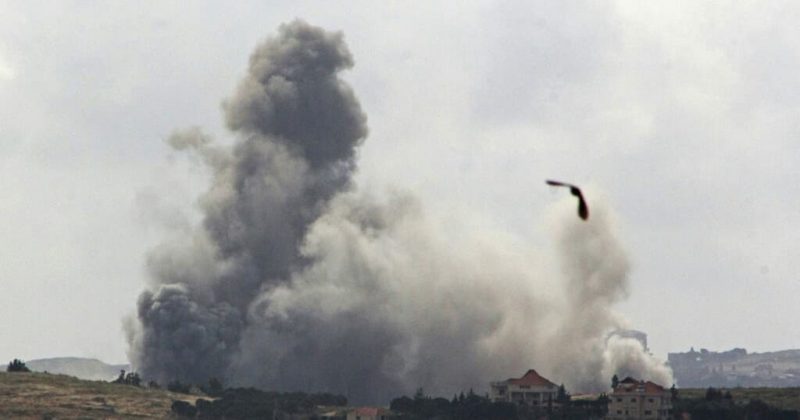
Israel carried out a series of air strikes on targets in southern Lebanon and the western Bekaa district on May 16-17, 2026, just days after agreeing to a 45-day extension of a US-brokered ceasefire. The strikes killed at least one person according to initial reports, though other accounts put the death toll as high as 11, including three paramedics.
What happened on the ground
Israel said it was targeting sites linked to Hezbollah, framing the operations as defensive actions against what it considers an ongoing threat. Lebanese authorities reported that among the sites struck was an emergency response center.
The casualty numbers remain contested. One initial report documented a single fatality. A separate account described 11 deaths, with three of the dead identified as paramedics.
A ceasefire in name only
The ceasefire in question was brokered by the United States and has been troubled from the start. By January 2026, Israel had already been accused of over 2,036 violations of the agreement.
The original halt to hostilities was grounded in UN Security Council Resolution 1701, which established conditions both sides were expected to follow. UN experts have repeatedly condemned Israeli actions that they say violate the resolution’s terms, urging compliance with the framework.
The targeting of paramedics, if confirmed, adds a particularly inflammatory dimension. Strikes on medical personnel are prohibited under international humanitarian law. Three paramedics killed in what Lebanese authorities describe as a strike on an emergency response center would represent a serious escalation in the type of targets being hit, not just the frequency.