Key Takeaways
- The Federal Reserve held rates at 3.50% to 3.75% in a 9-3 vote on July 29, 2026.
- Hammack, Kashkari and Logan dissented, each preferring a 25 basis point rate hike.
- The New York Fed Desk will keep reinvesting proceeds to maintain 3.65% reserve rates.
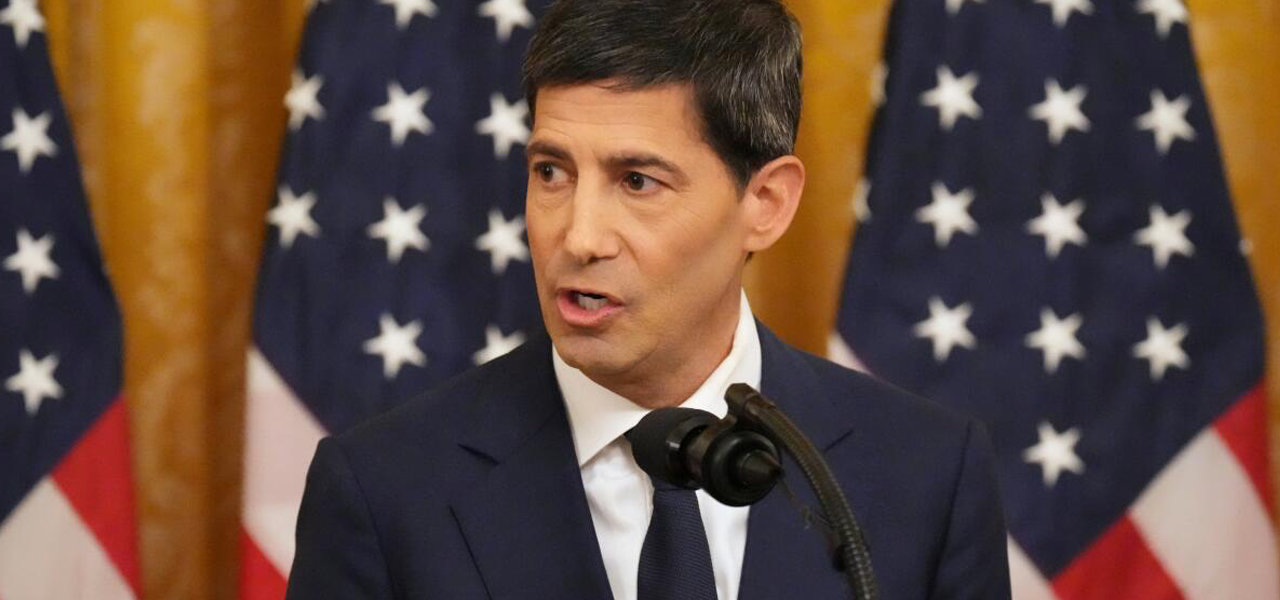
The Federal Open Market Committee voted 9 to 3 to keep the target range unchanged, citing solid economic growth alongside inflation that remains above the central bank’s 2% goal. Fed Chair Kevin Warsh presided over a meeting that ended with a rare split: the dissenters wanted higher rates, not lower ones.
Three Officials Wanted a Hike
Cleveland Fed President Beth Hammack, Minneapolis Fed President Neel Kashkari and Dallas Fed President Lorie Logan voted against the majority. Each preferred raising the target range by a quarter point at this meeting, according to the Fed’s statement.
Hawkish dissents like this are uncommon. Most FOMC disagreements in recent years have come from officials pushing for cuts, not increases. Three policymakers breaking ranks to demand higher rates signals real concern inside the building about inflation trends.
Inflation and the Middle East
The Fed’s statement pointed to elevated inflation driven in part by supply shocks, including in the energy sector. It linked some of that pressure to the ongoing conflict in the Middle East, which the Committee said has added uncertainty to an otherwise expanding economy.
Job growth has kept pace with the workforce. Unemployment has changed little. Productivity growth and capital investment remain strong, according to the Fed. The economy is not struggling. Inflation is the sticking point.
What the Fed Is Doing With Rates
The Board of Governors voted unanimously to hold the interest rate paid on reserve balances at 3.65%, effective July 30. The Board also approved keeping the primary credit rate at 3.75%.
The FOMC directed the New York Fed’s Open Market Desk to keep running standing overnight repo operations at 3.75% and reverse repo operations at 3.5%, with a $160 billion daily cap per counterparty. The Desk will keep rolling over Treasury holdings at auction and reinvesting agency security proceeds into Treasury bills.
Why This Matters for Markets and Consumers
A hold at current levels means borrowing costs on mortgages, credit cards and business loans stay where they are for now. But the hawkish dissent tells a different story from the headline decision. Three regional Fed presidents are on record wanting tighter policy, and that puts pressure on the next meeting.
Energy markets tied to Middle East supply routes remain the variable investors are watching most closely. If energy costs keep climbing, the case for a hike gets stronger, and the three dissenters will not be alone for long.
Businesses planning around borrowing costs should watch incoming inflation data closely. The Fed left the door open. It did not close it. U.S. equities remained flat after the announcement, and bitcoin also stood at around $64,000, with little to no changes. Things could change a great deal when Fed Chair Warsh speaks with the press.