Key Takeaways
- Bitcoin nearly reached $65,000 on Thursday, finding solid support above $64,500 despite intraday drops.
- Bitcoin pushed total crypto market cap near $2.29T as short liquidations fell to $30 million.
- Debate over BIP 110 and a potential 2-chain fork creates pre-fork buying pressure before pullbacks.
Market Momentum and Intraday Volatility
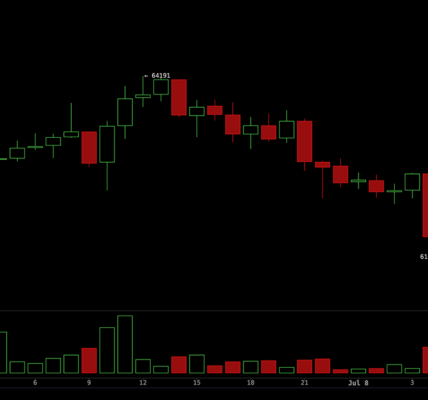
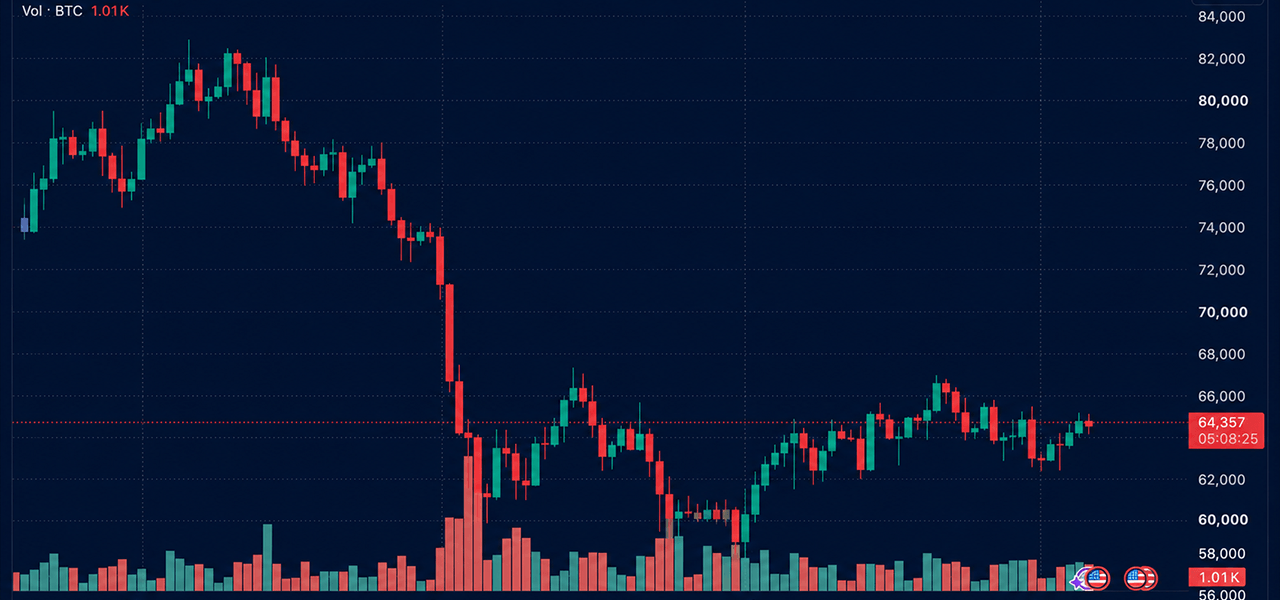
Bitcoin nearly reached $65,000 on Thursday as the cryptocurrency’s gradual rise, albeit a slower one since the start of the month, showed no signs of slowing. Although selling pressure weighed on the market at times, bitcoin’s daily chart showed support above $64,500 during pullbacks.
However, bitcoin slipped below that threshold in two separate trading sessions. The first drop occurred between 9 p.m. and midnight, when the price fell to around $64,480 or lower. While bitcoin rallied past $64,900 by 1:30 a.m. EST, a similar pattern emerged shortly after 8 a.m., when the asset dropped to a 24-hour low of $64,144.
A swift rebound erased those losses, pushing bitcoin back past $64,800. At the time of writing, the asset was trading above $64,500, up 0.2% on the day. Since the start of the month, bitcoin’s U.S. dollar value has risen by more than $2,000, or roughly 3%.
Despite the modest daily gain, bitcoin’s market capitalization stood just a few million dollars shy of $1.3 trillion. The rise also helped lift the broader crypto economy’s market cap toward $2.29 trillion. In the derivatives market, bitcoin’s price action led to fewer liquidations. Liquidated short positions totaled more than $30 million—a drop of over 10% from Wednesday’s $35 million. Total liquidations across the broader crypto market reached $212 million, split almost evenly between short and long positions.
While controversy surrounding the CLARITY Act and Middle East geopolitical tensions have influenced bitcoin’s trajectory in recent weeks, market sentiment seemed weighed down Thursday by debate over BIP 110 and a potential chain split. On social platforms like X, opinions remain sharply divided. Proponents contend that BIP 110 is necessary to prune non-financial spam, reduce node operating costs, and preserve Bitcoin’s primary role as a monetary network.
Conversely, a vocal majority of traders and developers strongly oppose the measure. Opponents warn of chain split risks, protocol-level censorship, and disruptions to the Ordinals and non-fungible token (NFT) ecosystems, expressing concern that governance friction could stifle market momentum.
Some traders, however, see potential upside. If the proposal results in a network split into two distinct chains, investors holding bitcoin prior to the snapshot date expect to receive an equivalent balance of the new token on the split chain. This expectation often drives pre-fork buying pressure, establishing price floors as traders accumulate the asset to claim the newly created token.
Conversely, if buying is driven solely by snapshot eligibility, a wave of profit-taking will likely follow the fork’s execution, triggering short-term pullbacks. Still, once the hard fork is complete and technical uncertainty resolves, bitcoin typically resumes its broader macroeconomic upward trend—a pattern likely to reassure cautious investors.