Key Takeaways
- U.S. CPI eased to 3.4% in July, extending inflation’s retreat from May’s 4.2% peak.
- Federal Reserve pressure eased as core CPI cooled to 2.5%, but energy remains a risk.
- Bitcoin held near $64,000 as markets turned toward the Sept. 11 CPI report.
The U.S. Consumer Price Index (CPI) rose 0.1% in July on a seasonally adjusted basis, the Bureau of Labor Statistics reported Aug. 12. That landed exactly on expectations and pushed annual inflation down to 3.4% from 3.5% in June. Core CPI, stripping out volatile food and energy prices, climbed 0.2% for the month and 2.5% from a year earlier. U.S. equities caught an immediate pre-market bid on the news.
Inflation Backs Away From Its Spring Peak
The latest print extends the retreat from May, when annual inflation hit 4.2% during the energy shock. The rate slipped to 3.5% in June before easing again in July, handing policymakers two straight cooler readings after months of returning price pressure.
Housing remains one of inflation’s hardest problems to shake. Shelter prices increased 0.1% in July and supplied roughly two-thirds of the monthly gain in the overall CPI. Rent and owners’ equivalent rent, which estimates what homeowners would pay to rent their properties, both increased 0.3%.
Food prices crept 0.1% higher, with restaurant and other food-away-from-home prices rising 0.3%. Grocery prices fell 0.1%. Energy went the other way, dropping 1.5% during July as gasoline prices declined 2.9% on a seasonally adjusted basis.
Gasoline’s 24.6% Spike Keeps Inflation’s Fuse Lit
That monthly reprieve hardly means the energy headache is finished. Energy prices remained 14.7% higher than one year earlier, while gasoline was up 24.6%. Those numbers carry the scars of the earlier oil-price shock tied to Middle East tensions and supply disruptions during the first half of 2026. Brent crude stands at $91 per barrel at the time of writing, while West Texas Intermediate Crude (WTI) is $83.
Core inflation delivered the cleaner signal. Its 2.5% annual pace ranks among the softest readings since early 2021, though several service categories kept moving higher. Medical care rose 0.4% in July, airline fares jumped 2.2%, used cars and trucks gained 0.4%, and new vehicles added 0.1%.
Fed Gets Breathing Room, but Victory Is Nowhere Close
For the Federal Reserve, the latest CPI report buys time rather than forcing an immediate policy move. The central bank kept its federal funds target range at 3.50% to 3.75% in late July, though three policymakers dissented and actually favored raising rates. Officials have made clear that several cooler months are needed before declaring inflation firmly headed back toward 2%.
July’s inflation print takes some immediate heat off another rate increase, but energy remains the obvious tripwire. Another oil shock or sticky services inflation could put tighter monetary policy back on the table later this year, especially if housing costs quit cooling.
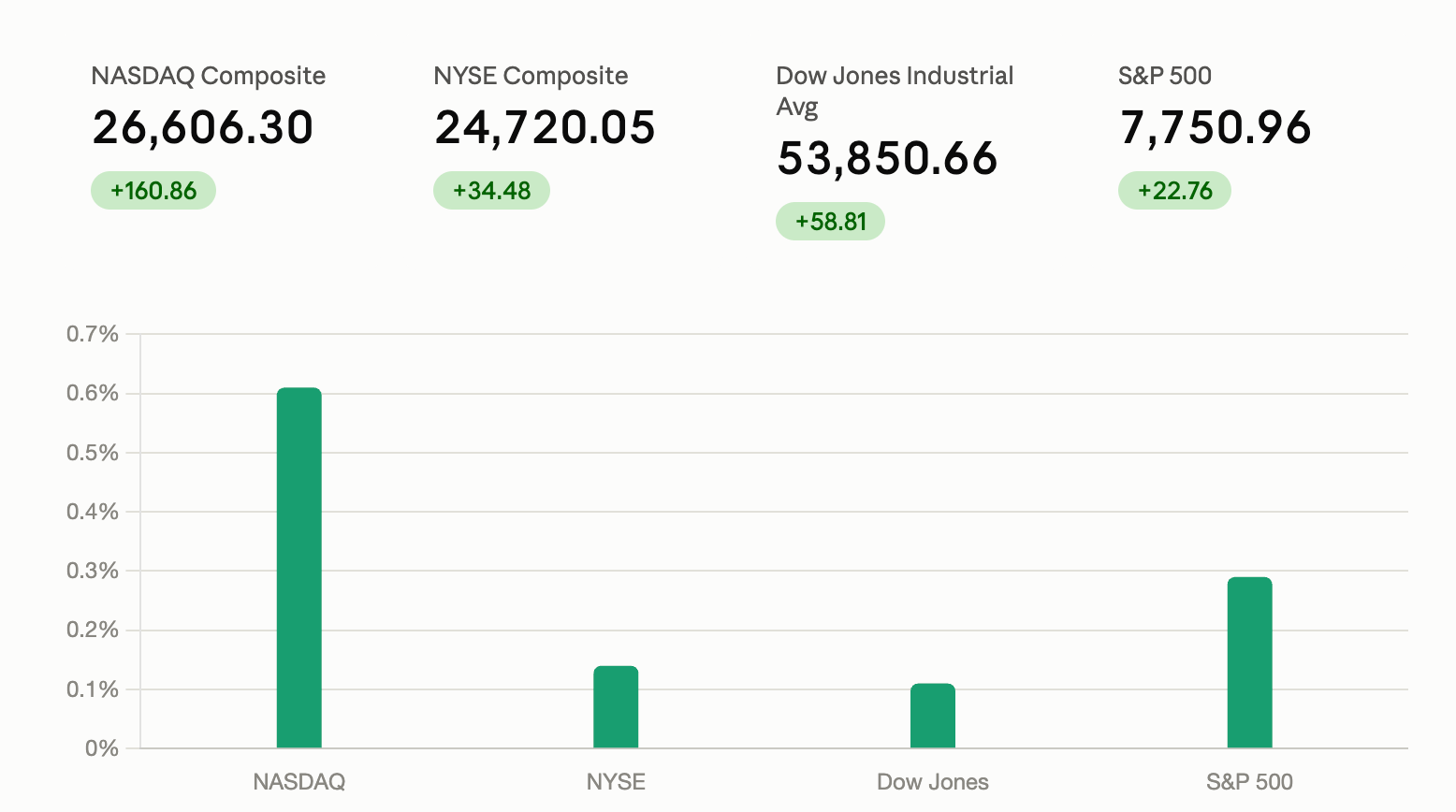
Financial markets had mostly positioned for the softer print, muting the opening reaction across equities and other risk assets. Real average hourly earnings also showed a modest strain as consumer prices outpaced wage growth in some measures.
Bitcoin Sticks Near $64,000 as CPI Fails to Spark Fireworks
Bitcoin was equally quiet around the report, but down around 0.4% over the last hour. The leading crypto asset traded between roughly $63,800 and $64,300 in the hours surrounding the CPI release after sliding into the low-$63,000 range earlier in the session.
Bitcoin has spent recent weeks grinding through the low-to-mid $60,000s, with the inflation print failing to unleash the violent volatility seen during earlier stretches of macroeconomic uncertainty.
The next reckoning arrives Sept. 11, when the government is scheduled to release August CPI data. Investors and Fed officials will scrutinize energy, shelter, and core services for proof that July’s cooling is developing into something durable rather than another transitory break in inflation.