UK Government to Deal With Political Cryptocurrency Donations
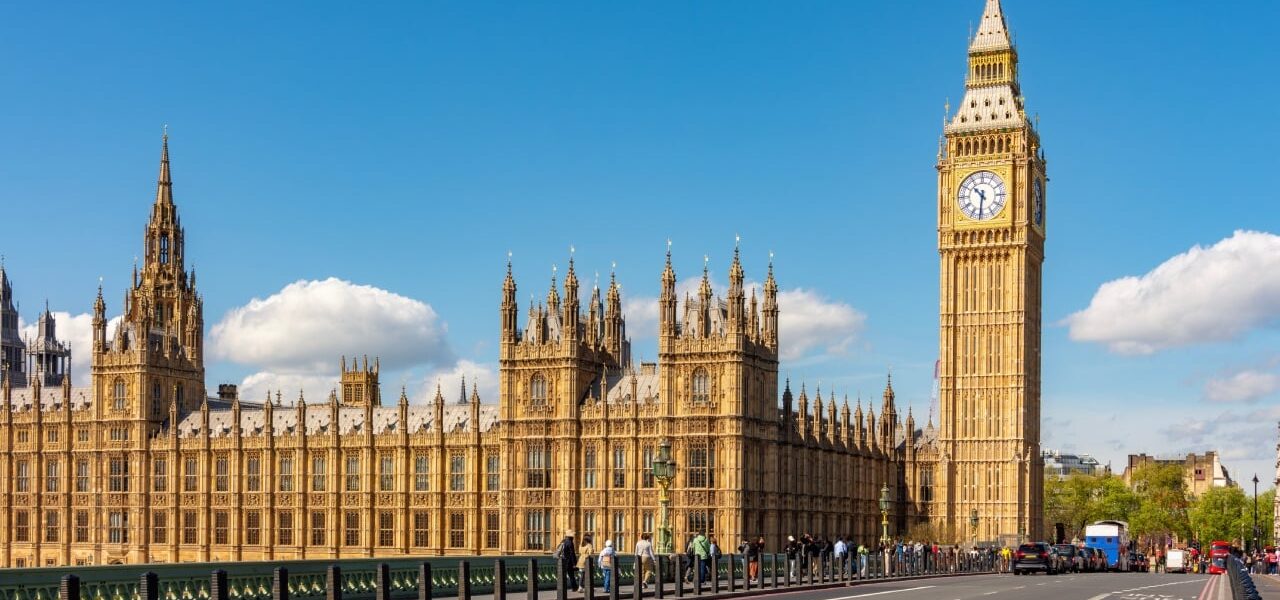
The UK Parliament is ready to tackle the issue of cryptocurrency donations in Elections after its summer recess, and it might enshrine the current ban on these as part of the Representation of the People Bill, which would tighten controls on political financing and expand the Electoral Commission’s powers.
The Rycroft review, an independent review into countering foreign financial influence and interference in UK politics, recommended issuing a moratorium on electoral donations made using cryptoassets and including the possibility of ending it only once Parliament and the Electoral Commission are assured that relevant regulation is effective.
While a ban on crypto donations was announced under Keith Starmer’s Labor Government following the Rycroft review, it will apply retroactively after being formalized as part of the aforementioned bill, meaning the exact form and disposition of the crypto prohibitions is still to be determined.
Currently, several different proposals are set to be discussed regarding this issue. The first, by Angela Rainer of the Labor Party, follows the general government rule and amends the Political Parties, Elections and Referendums Act 2000 “to prevent donations to registered political parties being made in cryptoassets,” as described by Rainer herself.
Nonetheless, Spotlight on Corruption’s Senior Advocacy Advisor Tim Picton stresses that this amendment “does not go far enough to foresee and tackle potential gaping loopholes,” as it leaves crypto exchanges and memecoins out of the equation, addressing only direct crypto funding.
Another similar but more encompassing amendment, presented by Liam Byrne, would go over the use of crypto exchanges or payment platforms as pathways to receive and process crypto payments, which would then be converted to fiat and received in cash by political parties.
Byrne’s goal is to “prevent parties, regulated donees (including third-party campaigners) and candidates from accepting donations in cryptoassets or from the proceeds of cryptoassets, to reduce the risks of anonymous and impermissible donations,” specifically mentioning memecoins as sources of this financing.
This would block the surge of a Trump token equivalent in the UK, a special concern as Picton stresses that it has been used “as a key fundraising tool by the President,” opening the door for foreign actors to buy influence within the administration and obtain privileged access to the president.
Political crypto donations have been in the spotlight in the UK, as crypto-made millionaires have also jumped into the public eye. Ben Delo, co-founder and former BitMEX executive pardoned by President Trump after being convicted for establishing lax anti-money laundering controls, was recently revealed to have donated 4 million pounds to Reform UK, but the transaction was registered as made in cash. Reform UK has also been involved in other crypto donation controversies.
The nature and reach of the treatment of political crypto donations will be defined in the following weeks.