Key Takeaways
- Two solo bitcoin miners independently discovered blocks 973262 and 973413 on consecutive days, beating extraordinary odds.
- One miner reportedly operated with just 16.2 TH/s, facing a daily success probability of approximately 0.0002%.
- Despite industrial mining dominance, independent miners can still discover blocks and collect the entire reward.
Futurebit Apollo Miner Defies the Odds With Rare Bitcoin Block Discovery
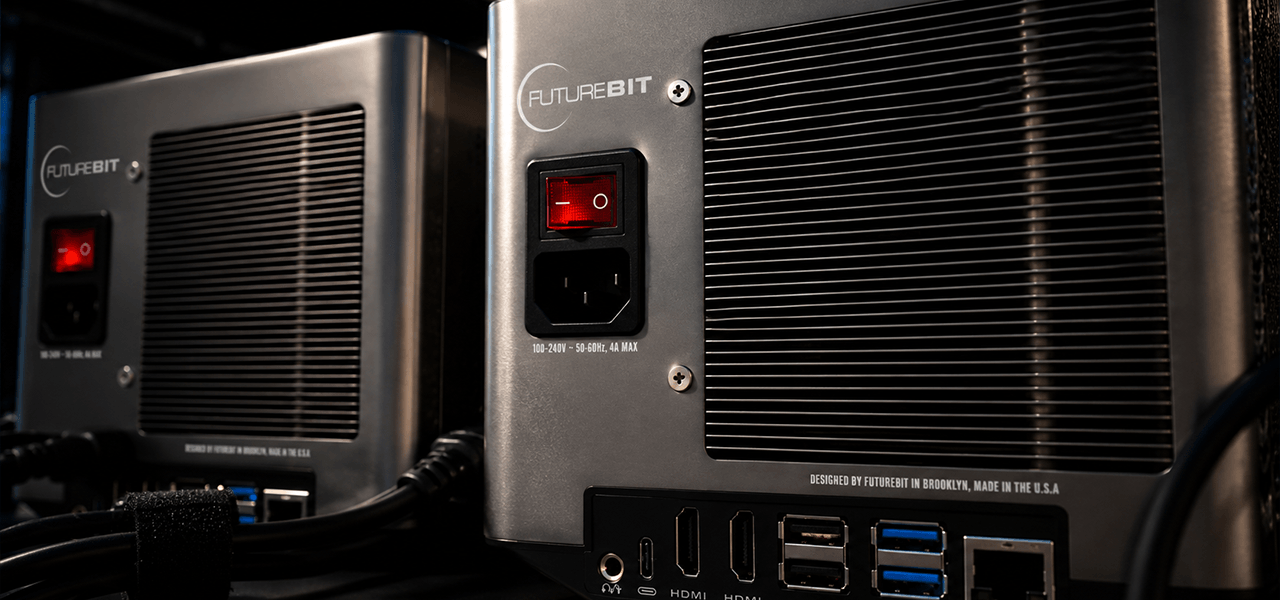
Reports and onchain data from the Bitcoin blockchain reveal that two fortunate solo miners struck gold this week. The first independent discovery occurred at block height 973262, with the successful find credited to a Futurebit Apollo Solo miner. Mining logs indicate that this was only the fourth Apollo solo block ever documented, and the first since March 2025.
Bitcoin.com News has chronicled several instances of individual bitcoin miners successfully discovering blocks throughout 2026, despite the extraordinarily slim statistical odds of achieving such a feat.
“Gradually, then suddenly. We (the people) hit a Bitcoin block today,” Futurebit wrote on X. “Bitcoin belongs in the hands of sovereign individuals. And we’re building to keep it there.”
Small Miners Face Industrial Giants in Bitcoin’s Computational Arms Race
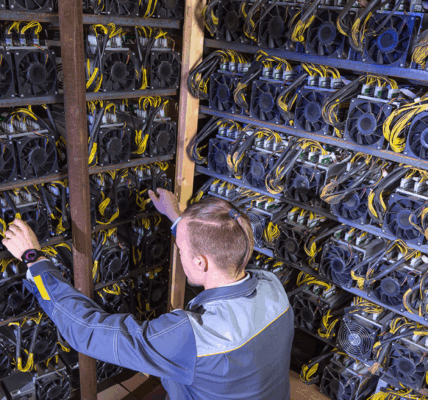
Futurebit’s current flagship mining device, the Apollo III, delivers up to 18 terahash per second (TH/s) when operating in Turbo mode. That represents a modest fraction of the computational firepower deployed by today’s industrial-scale BTC mining operations. The overwhelming majority of blocks are discovered by major mining pools, including operators like Foundry, Antpool, and F2pool.
These mining powerhouses aggregate computational resources from numerous participants, substantially improving their collective probability of discovering blocks. The resulting rewards are subsequently distributed among contributing miners. Solo mining follows a fundamentally different approach. Rather than dividing block rewards among numerous participants, an independent miner competes to discover a block and retain the entire payout.
Solo CKPool Miner Beats Astronomical Odds With 16.2 TH/s
Meanwhile, services such as Solo CKPool provide shared mining infrastructure while allowing individual miners to pursue and retain their own block rewards. Even so, these independent miners and the pools supporting them command only a minuscule fraction of the computational power wielded by today’s industry heavyweights.
Following Futurebit’s fortuitous discovery, Solo CKPool claimed block 973413, reportedly on behalf of a miner operating with a mere 16.2 TH/s of computational power. At 16 TH/s, the prospect of independently discovering a BTC block borders on statistically improbable, yet it still happened. With the network commanding approximately 1,070 exahash per second (EH/s), such a miner contributes just one-67-millionth of its total hashrate, translating into a daily success probability of roughly 0.0002%—or an expected interval of nearly 1,200 years between successful discoveries.
For most, solo mining is a long shot with odds that make the casino floor look generous. Still, the Bitcoin network leaves the door open to independent miners, and while victories are rare, blocks 973262 and 973413 prove they remain possible.