
Bitcoin Price Could Fall as Dollar Debasement Trade Unravels, Connection Capital Founder Warns
As the market weeps from the biggest crypto theft in history, Bitcoin (BTC) could face renewed selling pressure in the coming months as a strengthening US dollar threatens to undermine one of crypto’s biggest macroeconomic investment narratives, according to Connection Capital founder Dan Krupka.
In comments provided to 99Bitcoins, Krupka challenged the increasingly popular “dollar debasement trade,” arguing that rising energy prices and weakness in major foreign currencies could push the dollar higher, dragging Bitcoin, gold and traditional financial markets lower.
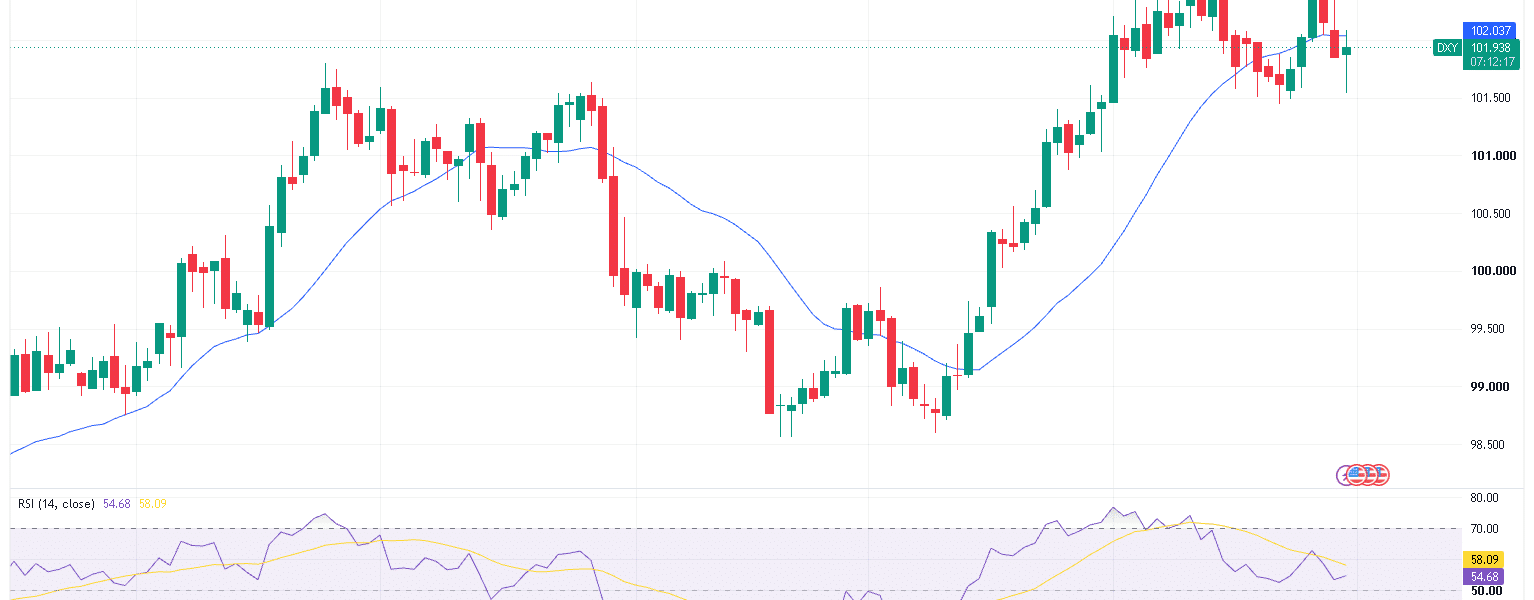
His warning comes as Bitcoin trades around $77,500, while the US Dollar Index (DXY) remains near 102 after gaining ground since September.
Why Dan Krupka Thinks Bitcoin and Gold Could Fall Together
The debasement trade has become a central argument for owning scarce assets such as Bitcoin and gold. With government borrowing elevated and concerns about currency purchasing power mounting, investors have increasingly viewed both assets as alternatives to traditional fiat money.
However, Krupka argues that the trade overlooks a crucial development: the dollar has not experienced the sustained decline many investors expected.
Speaking to 99Bitcoins, Krupka explained how global energy market dynamics could impact Bitcoin and other assets in the months ahead.
“There’s been a lot of talk about the so-called ‘dollar debasement trade’, where the US dollar goes down and everything goes up, especially Bitcoin and gold. The thing is that the US dollar hasn’t really gone down, and over the last few months it’s actually started going up,” explained Krupka.
“It looks like this is going to continue simply because other currencies like the Euro and the Japanese yen are coming under pressure, primarily because of rising energy prices. If this happens, then the dollar will keep rising, and this will push Bitcoin, gold, and the broader markets lower in the coming months.”
The argument highlights an important distinction between Bitcoin’s long-term appeal as an inflation hedge and its short-term sensitivity to global liquidity conditions.
Although Bitcoin has a fixed supply of 21 million coins, that scarcity does not guarantee its price will rise when economic conditions deteriorate.
A strengthening dollar can make dollar-denominated assets more expensive for foreign investors, while tighter financial conditions can reduce appetite for speculative investments.
Consequently, even Bitcoin and gold could struggle simultaneously if investors increasingly favour holding dollars.
A Post-Midterm Return to Hostilities In Hormuz Could Drive Rising Energy Prices and Strengthen the Dollar
The critical factor in Krupka’s outlook is the vulnerability of major economies to higher energy costs.
Europe and Japan depend heavily on imported energy, leaving their economies exposed when oil and gas prices rise. Higher import costs can increase inflation, weaken economic growth, and complicate monetary policy decisions.
If those pressures weigh on the euro and Japanese yen, the dollar could strengthen against both currencies.
That matters because the euro and yen account for a substantial proportion of the US Dollar Index, making weakness in either currency particularly important for the direction of DXY.

(Source – TradingView, DXY)
The dollar index closed around 101.85 on October 29, compared with 101.45 at the end of September. Although it has slipped during the latest trading sessions, the broader recovery reinforces the importance of watching whether dollar strength resumes.
Crucially, Krupka’s scenario does not require investors to abandon concerns about US government debt or inflation. The dollar could strengthen relative to other currencies even while losing domestic purchasing power.
Bitcoin Price Outlook: What Could Invalidate the Bearish Forecast?
For Bitcoin investors, the most important question is whether the dollar’s recent resilience develops into a sustained upward trend.
A further increase in DXY, particularly alongside rising energy prices and tighter global financial conditions, would strengthen Krupka’s bearish argument.
However, the relationship is not automatic.
The dollar weakened slightly on October 30 as falling Treasury yields and concerns surrounding US technology stocks weighed on demand for American assets. Changes in Federal Reserve policy, cryptocurrency-specific capital flows and institutional demand could also alter Bitcoin’s trajectory.
Gold and Bitcoin do not always respond identically to economic shocks, either. Gold can attract defensive demand during periods when Bitcoin trades more closely with risk-sensitive assets.
For now, Krupka’s analysis presents a challenge to the assumption that currency debasement will inevitably push Bitcoin higher.
The key question for the months ahead is whether investors continue buying scarce assets to escape the dollar, or whether a stronger dollar itself becomes the trade that dominates global markets.
DISCOVER: 10+ Next Crypto to 100X In 2026
Follow 99Bitcoins on X For the Latest Market Updates and Subscribe on YouTube For Daily Expert Market Analysis.
The post Bitcoin Price Could Fall as Dollar Debasement Trade Unravels, Connection Capital Founder Warns appeared first on 99Bitcoins.