
Key Takeaways
- Wrapped Monero token XMR1 plunged more than 99% after hackers allegedly compromised a deployment key and extracted approximately $13.5 million through token sales on Hyperliquid.
- Wagyu’s founder blamed the exploit on a cyberattack against Icelandic hosting provider 1984.hosting, which separately confirmed a major security breach. The founder pledged to reimburse affected users.
- The underlying Monero blockchain was unaffected, but the incident highlights vulnerabilities in wrapped cryptocurrencies.
Wrapped Monero Crashes Near Zero
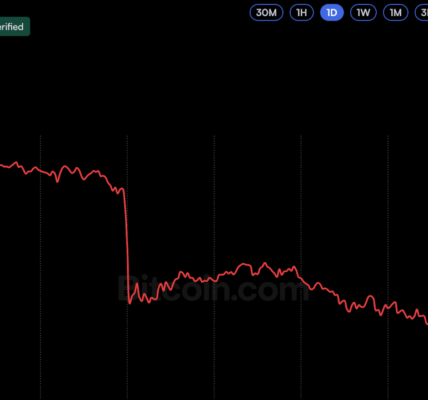
XMR1, issued by cross-chain trading project Wagyu, lost more than 99% of its value Friday, Nov. 20, after an attacker allegedly gained control of sensitive credentials used in the token’s deployment. The sell-off pushed XMR1 from nearly $500 to less than $1 within approximately half an hour.
Blockchain analytics firm Bitquery estimated that the attacker extracted roughly $13.5 million through a series of transactions involving Hyperliquid, the decentralized derivatives and trading platform.
Onchain records indicated that approximately 5.2 million XMR1 tokens were moved from a deployment wallet to an unfamiliar address before the attacker began unloading the assets. Roughly 364,000 tokens were subsequently sold through transactions involving 388 buyers, according to Bitquery.
The proceeds were initially converted into USDC before being exchanged for ether. Investigators subsequently identified approximately 7,350 ETH spread across three wallets. The sudden influx of tokens overwhelmed market demand, effectively destroying XMR1’s trading value.
Wagyu’s pseudonymous founder, PerpetualCow, pointed to a separate cybersecurity incident involving Iceland-based hosting provider 1984.hosting as the likely source of the compromise.
The founder claimed that a deployment key previously stored on a server had remained accessible through the hosting company’s infrastructure despite the server having been deleted. That allegedly allowed the attacker to obtain credentials capable of compromising XMR1.
The explanation has not been independently verified, although the hosting provider acknowledged suffering a serious cyberattack.
In a statement reported by Icelandic news outlet DV, 1984.hosting and the country’s cybersecurity response team, CERT-IS, disclosed that the provider had temporarily suspended its services following an intrusion affecting its systems.
The company characterized the attack as sophisticated and potentially widespread, with investigations underway to determine the full extent of the damage. It said operations would resume gradually after security assessments were completed.
PerpetualCow subsequently promised to cover customer losses using personal funds and indicated that Wagyu intends to restart its platform. Details about the compensation process and the timing of any potential recovery remain unclear.
“Everyone who lost money due to this will be refunded by me personally and Wagyu will re-launch at a later stage,” they wrote on X. “Give me some time please.”
XMR1 was developed to make Monero, a cryptocurrency known for its transaction privacy features, accessible through Hyperliquid’s trading ecosystem. Wrapped assets such as XMR1 seek to represent cryptocurrencies on networks where their native tokens cannot otherwise operate directly.
Importantly, the incident did not involve a breach of Monero itself. However, the cryptocurrency’s privacy protections complicate efforts to independently determine whether sufficient native XMR remains available to support outstanding wrapped tokens.
XMR was recently down about 9% on the day at a price near $451, amid a broader market plunge that brought bitcoin down to its lowest price since September 2024. Monero is down more than 25% over the last month.
The exploit adds to a growing list of security failures involving tokenized representations of established cryptocurrencies.
Bitcoin.com News previously reported that attackers exploited the Symbiosis bitcoin bridge in September, generating billions of unauthorized syBTC tokens while reportedly capturing approximately $336,000 in proceeds. Other incidents have exposed vulnerabilities affecting wrapped assets associated with the Liquid Network and Nomic.
Separately, a March exploit targeting Resolv Labs generated approximately $23 million in losses and destabilized its USR stablecoin, illustrating how weaknesses in privileged access and token issuance mechanisms can trigger substantial market disruptions.
The XMR1 episode highlights a fundamental distinction between holding cryptocurrencies directly and trading wrapped versions: even when the underlying blockchain remains secure, the systems responsible for issuing and managing tokenized representations can introduce additional points of failure.